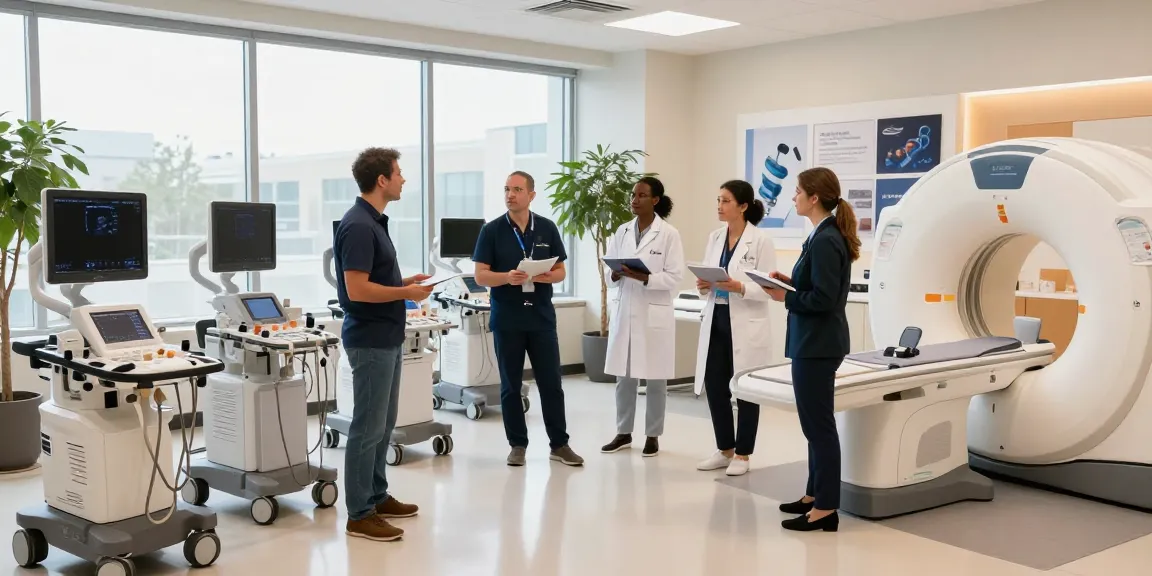
Understanding Medical Equipment Standards in Toronto
In the dynamic healthcare landscape of Toronto, ensuring the safety and effectiveness of medical equipment is paramount. Toronto’s healthcare facilities must adhere to stringent regulations and standards that guarantee the quality of medical devices used in patient care. Understanding these standards can empower healthcare professionals and facility managers to make informed decisions regarding their equipment procurement and usage. When exploring options, medical equipment toronto provides comprehensive insights into local regulations and market trends that shape the industry.
What Are the Regulatory Standards for Medical Equipment?
Medical equipment in Toronto must comply with both federal and provincial regulations. The primary governing body is Health Canada, which oversees the regulation of medical devices, ensuring they meet safety and efficacy standards before they are approved for use. This includes rigorous testing for various criteria, such as design, performance, and material safety. Healthcare providers must also stay updated on specific standards from the Canadian Standards Association (CSA) and the International Organization for Standardization (ISO), which offer guidelines that ensure medical equipment operates safely and effectively.
How Certification Impacts Equipment Safety
Certification plays a crucial role in assuring the safety and reliability of medical equipment. Devices that carry certification marks, such as ISO 13485 or the CE mark, are recognized to meet stringent safety standards. These certifications ensure that manufacturers have robust quality management systems in place, which reduce the likelihood of device failure and improve patient safety. Healthcare professionals should prioritize using certified equipment, as it reflects adherence to established safety protocols and enhances overall care quality.
Common Misconceptions About Medical Equipment Regulations
One common misconception is that all medical equipment is automatically safe once it is on the market. The truth is that ongoing vigilance is necessary. Just because a device has received initial approval does not mean it is free from risks. Regular audits and post-market surveillance are vital to ensure continued compliance with safety standards. Healthcare providers should also engage in training and continuous education to keep informed about the latest regulations affecting the devices they use.
The Importance of Quality Assurance in Medical Equipment
Quality assurance (QA) is a critical component for any healthcare facility, as it directly impacts patient safety and treatment outcomes. Implementing effective QA processes can minimize risks associated with medical equipment, ensuring that every device performs reliably and safely in clinical settings.
Best Practices for Quality Control in Medical Facilities
To ensure high-quality standards, medical facilities should adopt several best practices for quality control:
- Conduct regular inspections and maintenance of equipment.
- Implement a strict protocol for reporting and addressing equipment failures.
- Invest in continuous staff training and education on equipment use and safety.
- Establish a comprehensive documentation system for tracking equipment performance.
How to Evaluate Equipment Suppliers
Choosing the right equipment supplier is vital for maintaining quality assurance. Healthcare facilities should evaluate suppliers based on:
- Reputation and reliability in the industry.
- Quality certifications and compliance with local regulations.
- Technical support and training offered.
- Feedback from other healthcare professionals regarding their experiences.
Real-World Examples of Quality Assurance in Action
Several hospitals in Toronto have successfully implemented QA programs that showcase the importance of adhering to safety standards. For instance, Hospital A conducted a comprehensive review of their equipment procurement process, which included regular audits and staff training. As a result, they reported a significant decrease in equipment-related incidents and improved patient care outcomes.
Emerging Technologies in Medical Equipment
The medical equipment landscape is constantly evolving, with innovative technologies shaping the way healthcare is delivered. Staying ahead of these trends is essential for facilities aiming to enhance patient safety and streamline operations.
2026 Trends: The Future of Medical Equipment Technology
Looking forward, several trends are expected to dominate the medical equipment market in 2026:
- Increased adoption of telemedicine technologies, especially for remote monitoring and diagnostics.
- Integration of artificial intelligence (AI) and machine learning in diagnostics and predictive analytics.
- Enhanced connectivity through the Internet of Medical Things (IoMT), allowing for smarter, interconnected devices.
How Innovations Increase Patient Safety
Technological advancements play a critical role in enhancing patient safety. For example, AI can assist in early detection of potential health issues, while smart devices can monitor patient vitals in real time, alerting staff to any abnormalities before they escalate into serious problems. These innovations not only improve patient outcomes but also reduce the burden on healthcare providers.
Case Studies: Successful Implementation of New Technologies
One notable example is the integration of AI algorithms in radiology departments across multiple hospitals in Toronto. By streamlining image analysis and reducing human error, these technologies led to faster diagnosis and treatment planning, significantly improving patient flow and satisfaction.
Handling Challenges in Medical Equipment Procurement
Procurement of medical equipment can pose various challenges that need careful management to ensure quality and safety.
Identifying Common Challenges in Equipment Acquisition
Some of the most common challenges include budget constraints, rapidly changing technology, and compliance with regulatory standards. Healthcare facilities may also struggle with supply chain issues, especially in a post-pandemic landscape. Identifying these challenges early can help organizations mitigate risks more effectively.
Strategies for Budgeting and Cost Management
To navigate financial constraints, healthcare organizations can adopt the following strategies:
- Prioritize essential equipment based on clinical need.
- Explore leasing options for high-cost devices.
- Engage in collaborative purchasing with other facilities to achieve bulk discounts.
Actionable Steps to Streamline Procurement Processes
Improving the procurement process involves:
- Establishing clear communication with suppliers to ensure timely deliveries.
- Utilizing technology to track inventory levels and forecast needs.
- Regularly reviewing contracts and vendor performance to enhance efficiency.
Future of Medical Equipment in Toronto and Beyond
The future of medical equipment is poised for groundbreaking developments, particularly as we approach 2026. Insights into upcoming trends can help organizations prepare for the evolving landscape.
Predictions for Medical Equipment Development by 2026
As technology advances, we can expect:
- More intuitive designs that enhance user experience.
- Greater emphasis on patient-centered equipment that responds to individual needs.
- Advancements in biocompatible materials that improve device longevity and safety.
How Telemedicine is Influencing Equipment Design
Telemedicine is reshaping the design of medical equipment. Devices are increasingly being developed with remote capabilities in mind, ensuring that healthcare providers can monitor and treat patients effectively from a distance. This shift has led to innovations such as wearable health monitors that seamlessly integrate with telehealth platforms.
The Role of Sustainability in Future Medical Solutions
Sustainability is becoming a critical priority in the medical equipment sector. By focusing on eco-friendly materials and manufacturing processes, companies are striving to reduce their environmental footprint. This includes designing equipment that is easily recyclable or made from sustainable resources, aligning with broader healthcare goals of reducing waste and enhancing sustainability.
What Are the Most Common Types of Medical Equipment Used?
Common types of medical equipment in Toronto’s healthcare facilities include diagnostic machines like MRIs and CT scanners, therapeutic devices such as infusion pumps, and surgical instruments. Understanding the specific applications of these devices is key to optimizing their use in patient care.
How to Maintain Medical Equipment Effectively?
Regular maintenance of medical equipment is essential for ensuring safety and effectiveness. This includes scheduled servicing, routine calibration, and immediate repairs when issues arise. Facilities should also develop a maintenance log to track all activities performed on each piece of equipment.
What Role Does Training Play in Equipment Safety?
Training is critical in preventing improper use of medical equipment. Familiarizing staff with operational protocols and safety measures significantly reduces the risk of errors and accidents. Healthcare facilities should invest in ongoing training programs to keep staff up to date on the latest equipment features and procedures.
How Are Manufacturers Ensuring Safety in New Technologies?
Manufacturers are increasingly prioritizing safety by incorporating rigorous testing phases and quality management practices in the development of new technologies. Collaborations with healthcare professionals during the design process also help identify potential usability and safety concerns before products hit the market.
What Should Healthcare Professionals Look for in Medical Equipment?
Healthcare professionals should consider several factors when evaluating medical equipment, including its safety certifications, user reviews, technical support availability, and how well it meets the specific needs of their practice. Prioritizing these aspects can lead to better outcomes for both the facility and its patients.